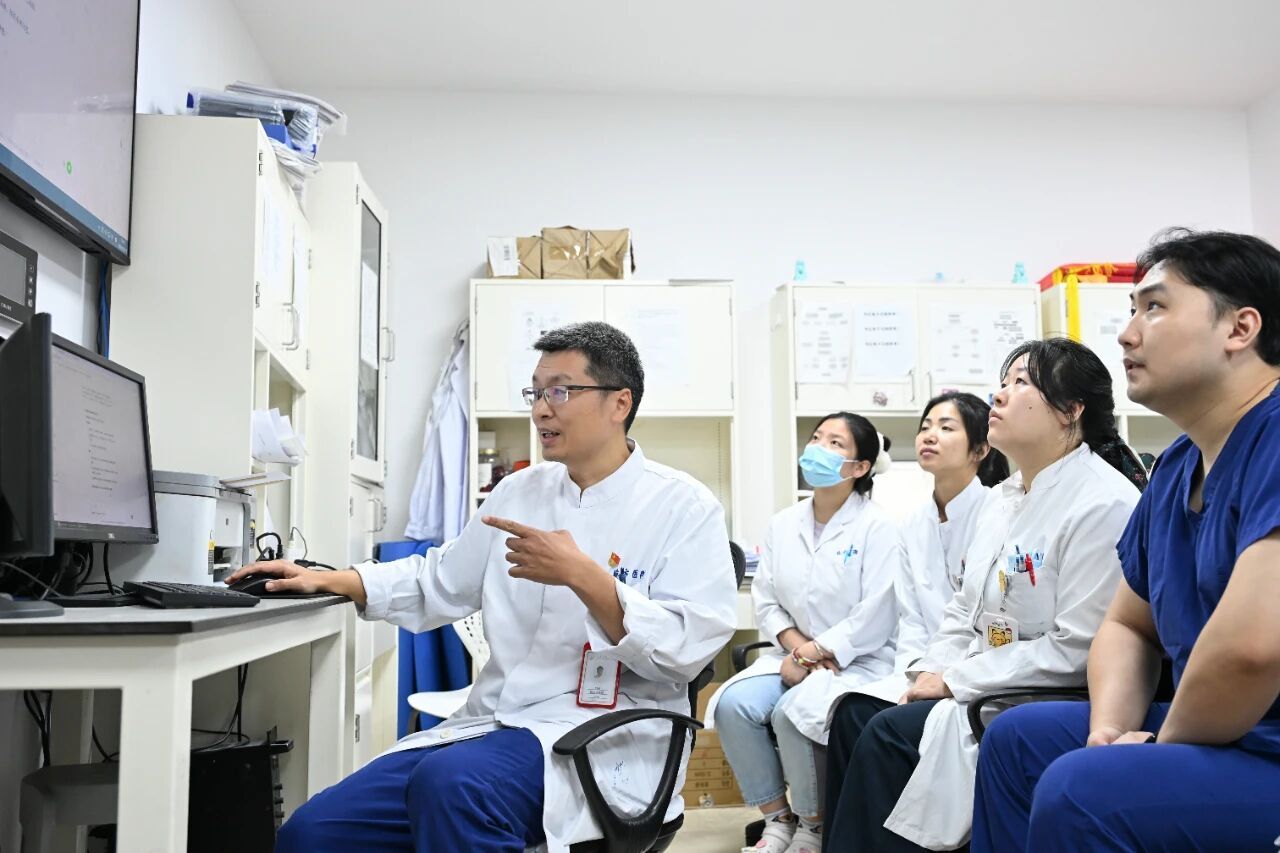
11月18日, 在同济大学、上海市浦东新区人民政府、上海市卫生健康委员会共同主办的人工智能医学大模型Med-Go开源仪式上,同济大学、同济大学附属东方医院宣布面向全球开源通用医学基座模型Med-Go 32B,为专病专科模型与临床智能体“可插拔式”研发与下沉应用提供坚实“地基”,让更多医生用得上、更多医院做得起自己的专病专科模型和落地场景的智能助手,让优质智能医疗资源惠及更广大患者群体。
On November 18, at a launch ceremony co-hosted with the People’s Government of Shanghai Pudong New Area and the Shanghai Municipal Health Commission, Tongji University and its Affiliated East Hospital announced the global open-source release of Med-Go 32B, a specialized medical large language model. Designed as a plug-and-play foundation for disease-specific AI models and clinical assistants, Med-Go aims to broaden physician access to advanced tools, support hospitals in developing specialty-focused applications, and extend high-quality AI medical resources to a wider patient population.
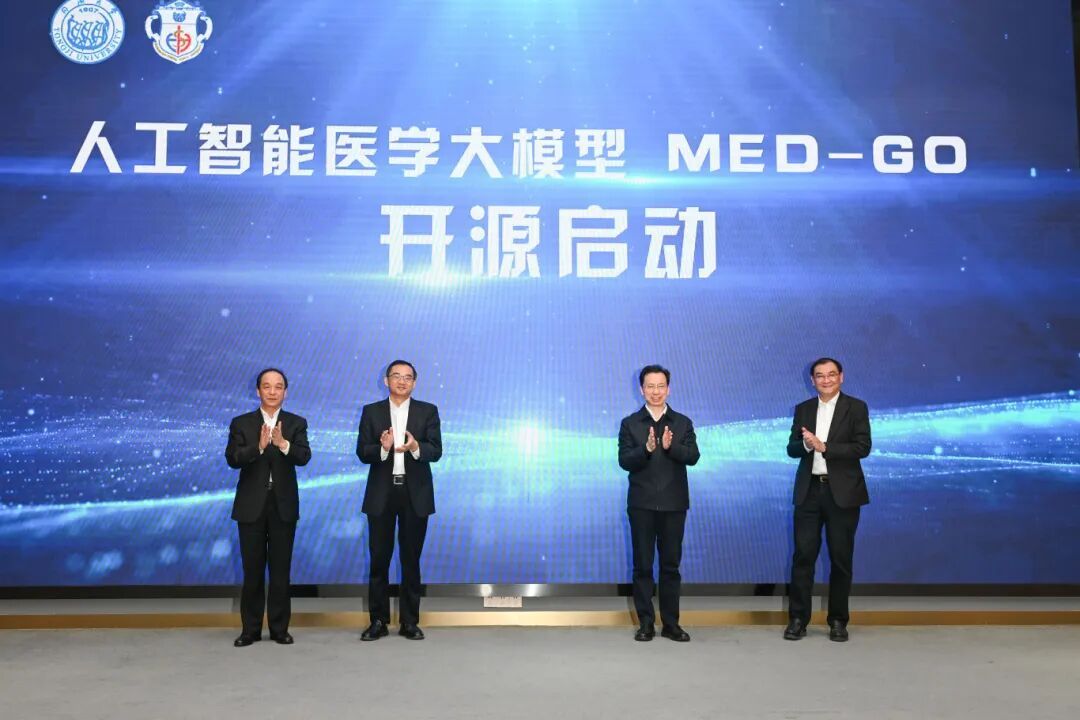
上海市委常委、浦东新区区委书记李政,同济大学党委书记、中国工程院院士郑庆华,上海市经信工作党委书记程鹏,上海市卫健委副主任罗蒙共同启动大模型开源。
The launch was jointly led by LI Zheng, Member of the Standing Committee of the CPC Shanghai Municipal Committee and Secretary of the CPC Pudong New Area Committee; ZHENG Qinghua, Secretary of the CPC Tongji University Committee and Academician of the Chinese Academy of Engineering; CHENG Peng, Secretary of the Party Committee of the Shanghai Municipal Commission of Economy and Informatization; and LUO Meng, Deputy Director of the Shanghai Municipal Health Commission.
国家卫生健康委员会、教育部、上海市申康医院发展中心、浦东新区人民政府、市教委、市科委、浦东新区卫健委及数十家兄弟医院等有关负责人出席,同济大学党委常务副书记朱小杰主持。
Senior officials from the National Health Commission, the Ministry of Education, and numerous municipal and hospital representatives attended the event. The ceremony was chaired by ZHU Xiaojie, Executive Deputy Secretary of the CPC Tongji University Committee.
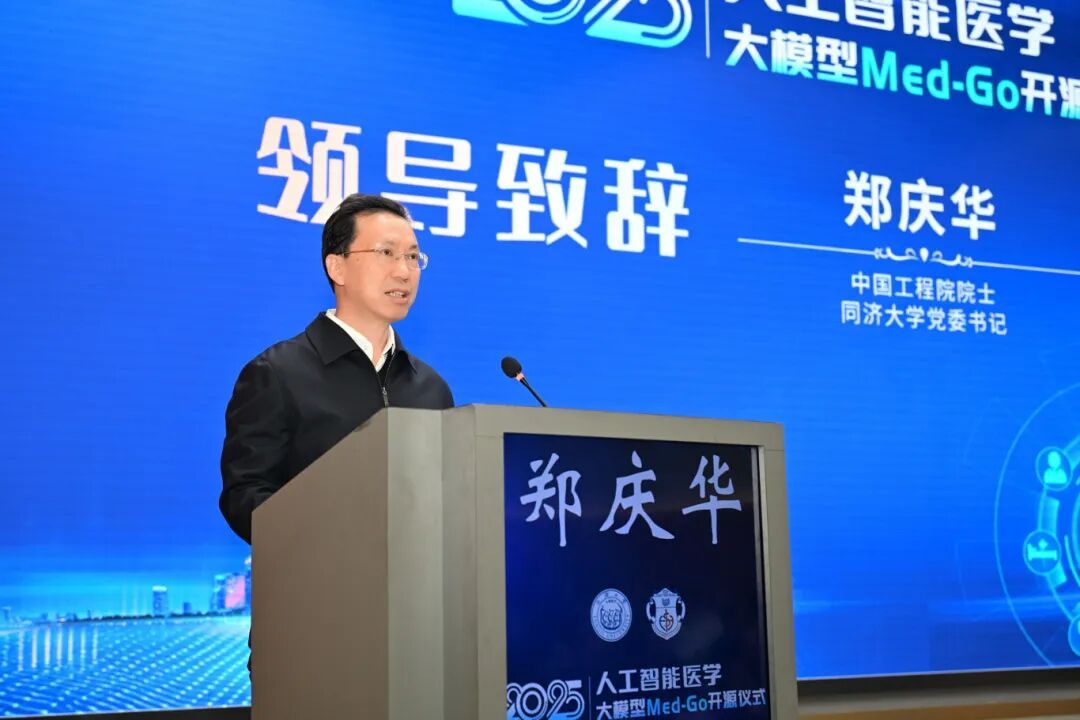
“今天开源的Med-Go大模型,是作为同济大学今年围绕‘工程智能’系统布局五大研究院之一的医学人工智能研究院成立以来的首个标志性成果。”郑庆华院士在致欢迎辞时指出。通过开源,希望促进技术迭代,避免重复建设,加速人工智能技术在医疗健康领域的普惠应用。
Prof. ZHENG Qinghua stated in his welcome remarks that the open-source release of the model—aimed at accelerating technological progress, minimizing redundancies, and promoting wider adoption of AI in the medical domain—marks the first significant milestone for the Medical AI Institute—a core component of the university’s “engineering intelligence” strategy.
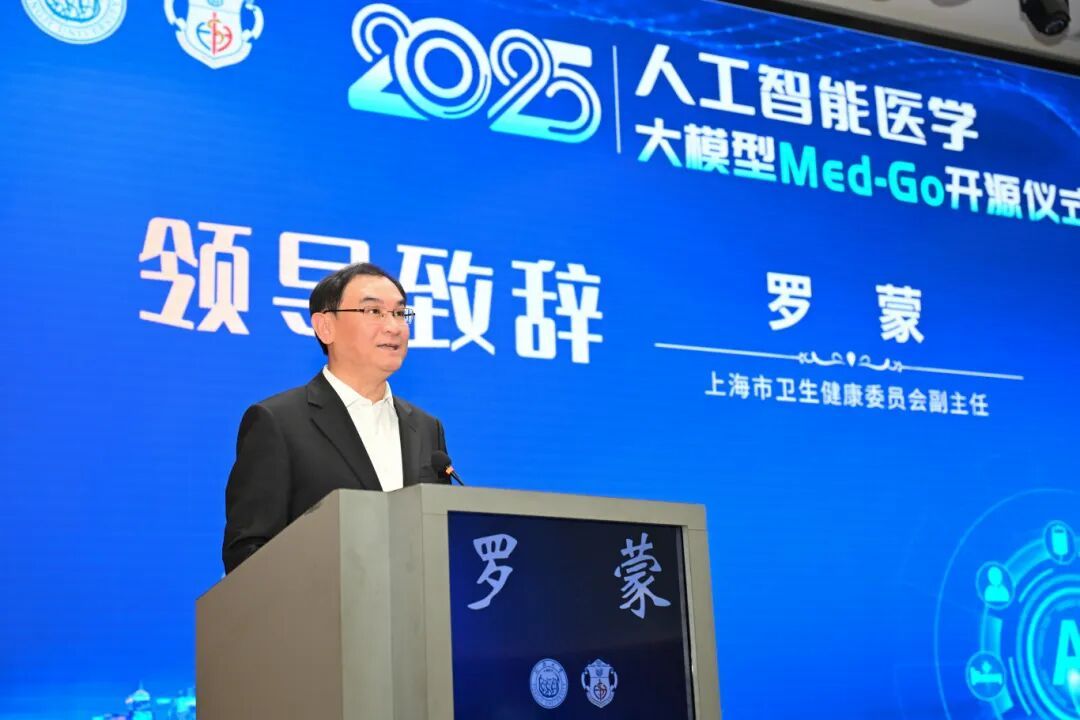
罗教授致辞表示,医学大模型Med-Go开源将助力打破技术壁垒,促进协同创新与共享,加速医学人工智能从技术研发向临床应用的转型。
Prof. LUO Meng affirmed the model's potential to overcome technical bottlenecks and accelerate the transition of medical AI from research and development (R&D) to clinical application.
中国科学院院士、同济大学原副校长、同济大学附属东方医院院长陈义汉指出, Med-Go开源模型满足了专病专科模型和智能体加速研发的迫切需求,弥补了通用模型在医学能力方面的不足,减少重复开发,加速二次创新,推动“医学+人工智能”从试点走向普及,方便三甲医院和基层患都能更快获得规范诊疗、稳定用药和有效随访。
Prof. CHEN Yihan, Academician of the Chinese Academy of Sciences, former Vice President of Tongji University, and current President of Shanghai East Hospital, noted the model addresses the urgent need for a reliable, secure, and reproducible foundation amid the rapid development of disease-specific models and intelligent agents. He added that it helps fill medical capability gaps in general-purpose models, minimizes redundancies, accelerates secondary innovation, and advances the expansion of “medicine + AI”, enabling more efficient access to standardized care, consistent medication, and comprehensive follow-up at both tertiary and community facilities.

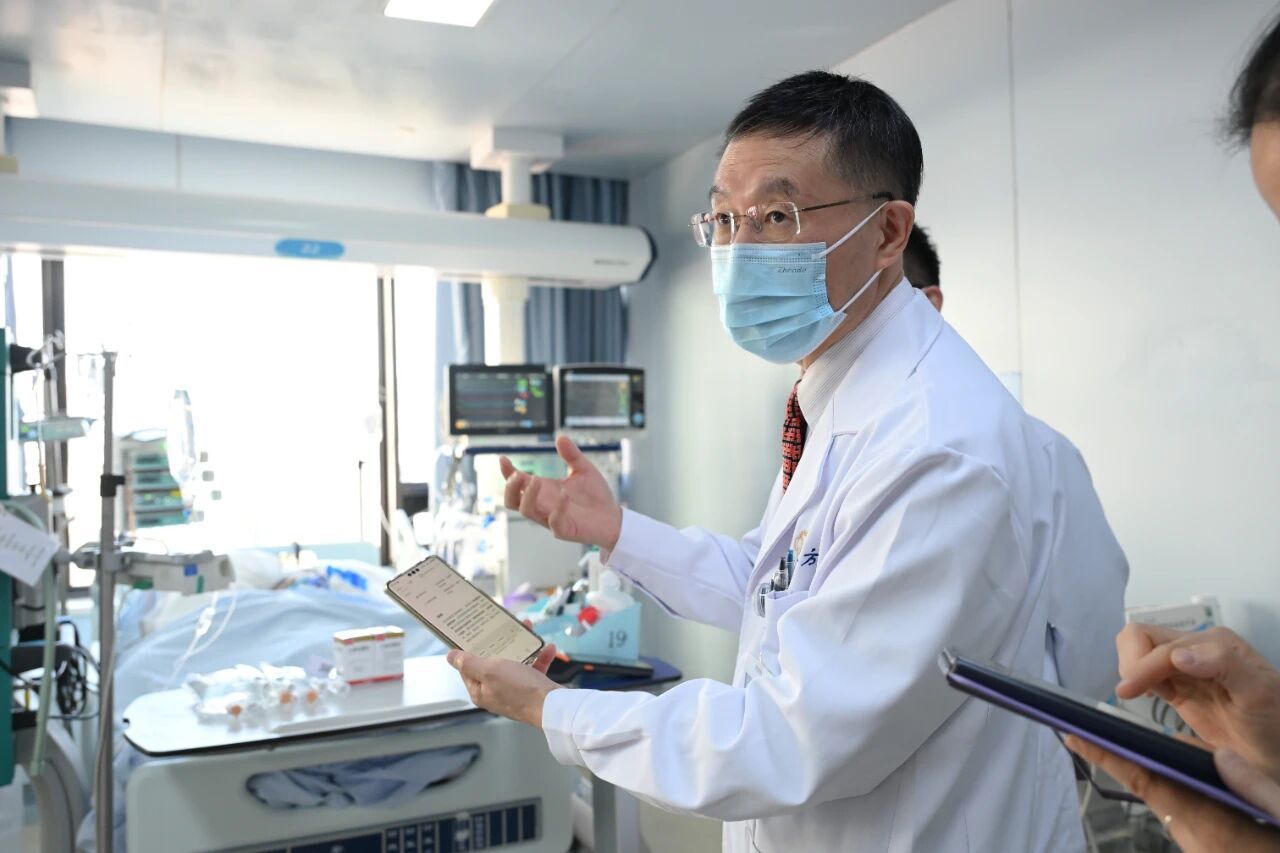
同济大学附属东方医院急诊、重症医学科主任张海涛补充道:“Med-Go最大的特色是来源于医生、服务医生。” 它不仅是三甲专家攻克疑难杂症的“第二大脑”,也是基层医生提升诊疗能力的口袋里的“主任医师”。最初的资料整理和对照参考由Med-Go 应用先作处理,医生把精力放在跟患者的沟通与对疾病的诊断上。
Chief Physician ZHANG Haitao, Director of Department of Critical Care Medicine at the Shanghai East Hospital, highlighted Med-Go’s unique feature: “developed by doctors, with doctors in mind.” Serving not only as a "second brain" for specialists but also a "pocket chief physician" for general practitioners, the model liberates clinicians from initial information sorting and cross-referencing, enabling them to focus on patient communication and diagnostic decision-making.
东方医院及其合作团队将继续完善模型功能,拓展更多临床场景应用,与全国同行共享经验和成果,共同推动我国医疗人工智能基础底座的建设与创新,持续为“健康上海”“健康中国”战略贡献同济力量。
Shanghai East Hospital and its partners have planned to further refine the model, extend its clinical applications, and share experiences nationwide to support the construction of China’s medical AI infrastructure as well as consistently contribute Tongji’s wisdom to the “Healthy Shanghai” and “Healthy China” initiatives.